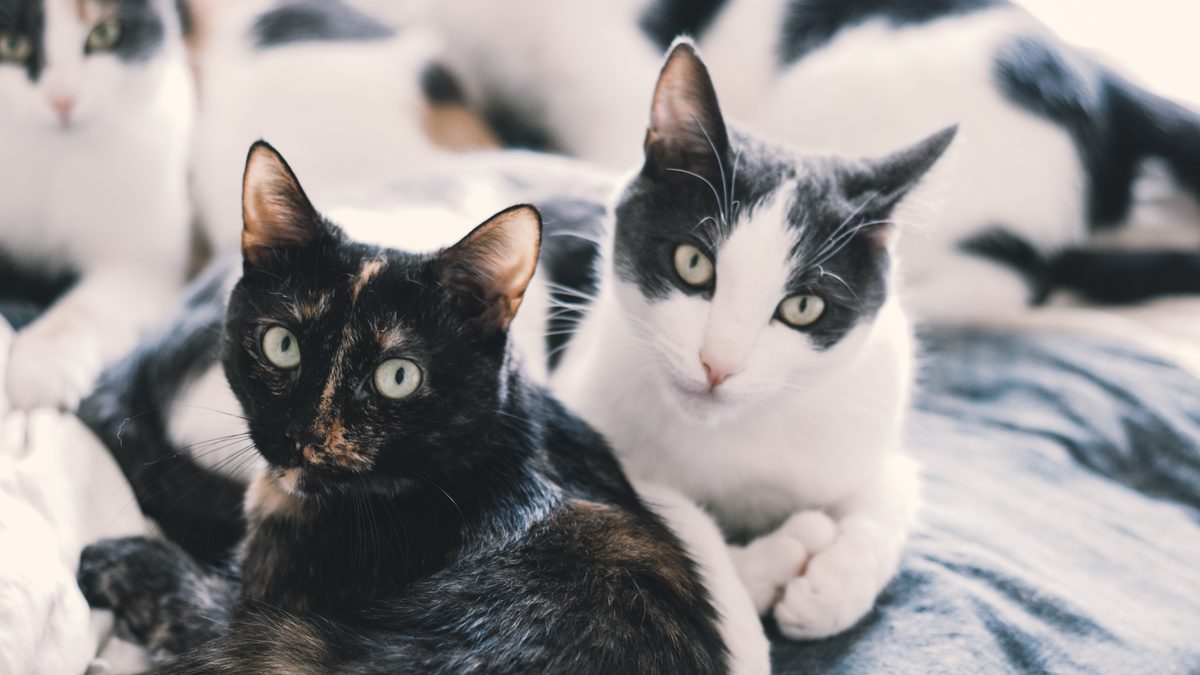
Cat Sitting in Ho Chi Minh City

How do shy cats decide to trust someone?

Many cats build trust gradually. They often show comfort in quiet ways rather than bold affection: staying in the same room, slow blinking, rubbing against furniture, or eating and resting when you are nearby.

Direct eye contact can feel intense to a shy cat, so patience matters more than enthusiasm. Letting the cat choose when to come closer usually works better than reaching for them.

That is why I always begin with a calm, pressure-free meet-and-greet. Good cat care is not about forcing friendship; it is about creating a space where a cat can decide they feel safe.
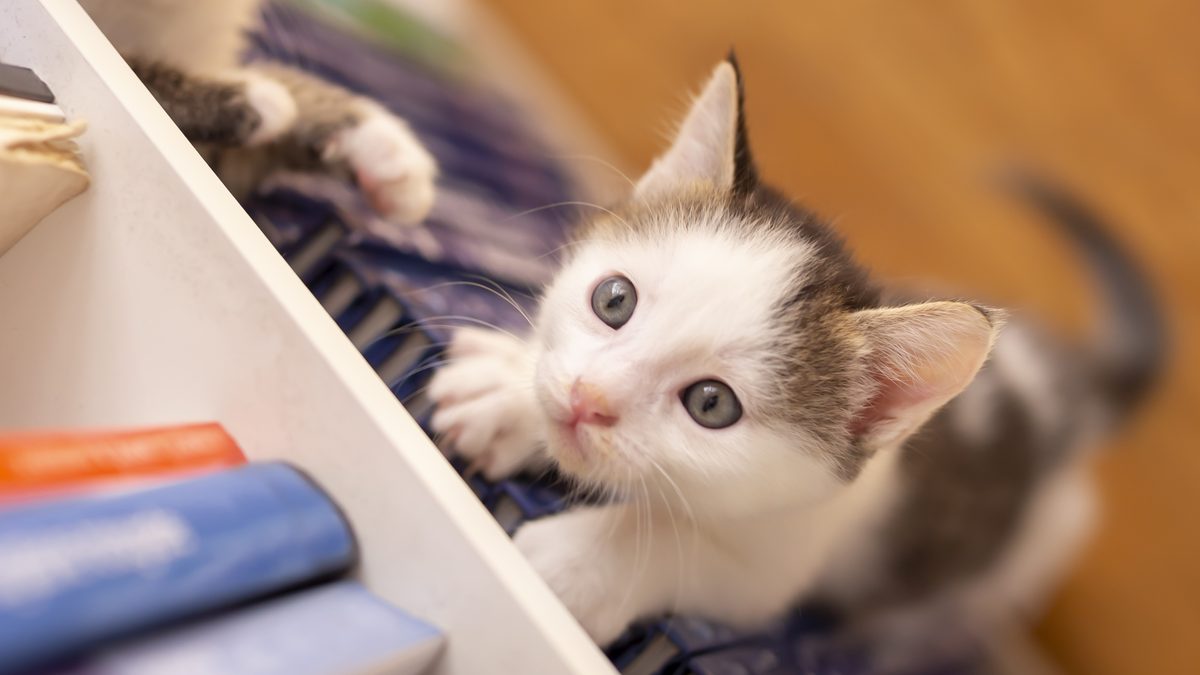
Adorable kittens on a white bookshelf — Larissa Nguyen, Pet Sitting Ho Chi Minh City

Is it normal for my cat to sleep most of the day?

Yes. Healthy adult cats commonly sleep 12 to 16 hours a day. A long nap is usually normal. By itself, extra sleep is not a sign that your cat is bored or unwell.

Cats are crepuscular, which means they are often most active around dawn and dusk. You may notice quiet rest through much of the day, then playful energy in the evening.

If sleep habits change suddenly, or if less activity comes with appetite changes, litter box changes, or grooming or mobility issues, it is worth mentioning to your vet. A steady routine and calm companionship can help cats feel settled while you are away.

Beautiful cat posing indoors close up — Larissa Nguyen, Pet Sitting Ho Chi Minh City

What does a slow blink mean?

A slow blink is one of the gentlest ways a cat can signal ease and familiarity. Research suggests that when a person slow-blinks at a cat, the cat is more likely to slow-blink back and may feel more comfortable approaching.

Because a fixed stare can feel threatening in the feline world, the slow blink helps break tension and says, in cat language, that the moment feels safe.

You can try it at home: look softly at your cat, blink slowly a few times, and give them space to respond. When I care for shy cats, I use the same calm approach rather than rushing interaction.

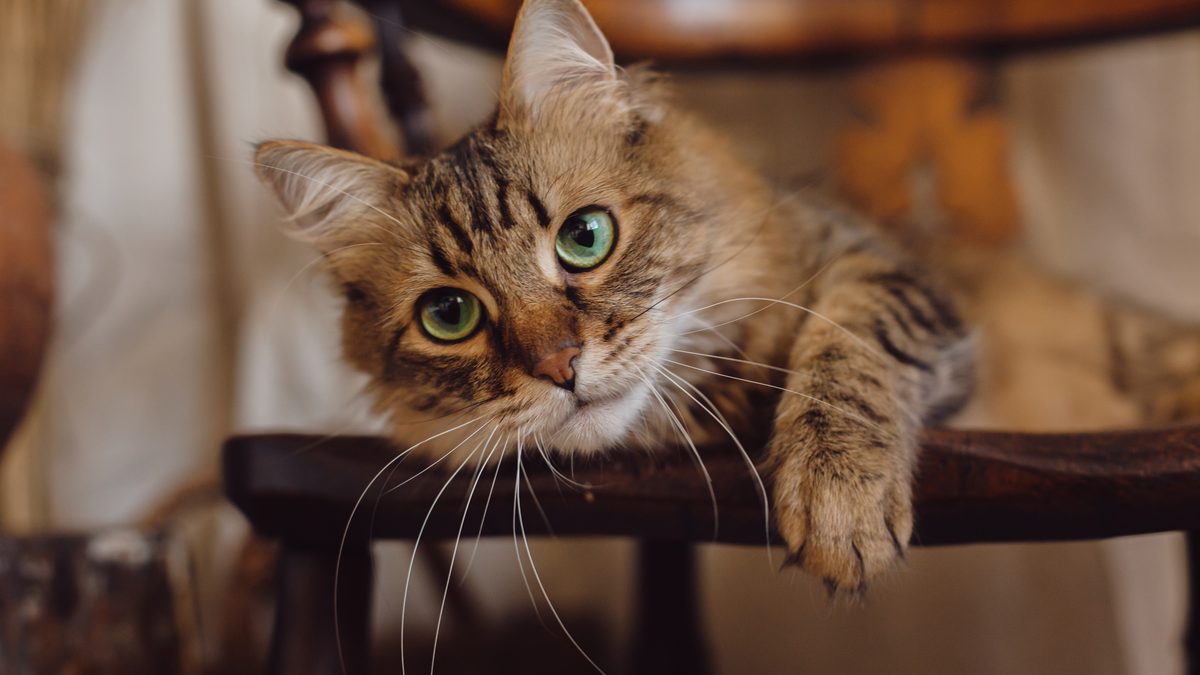
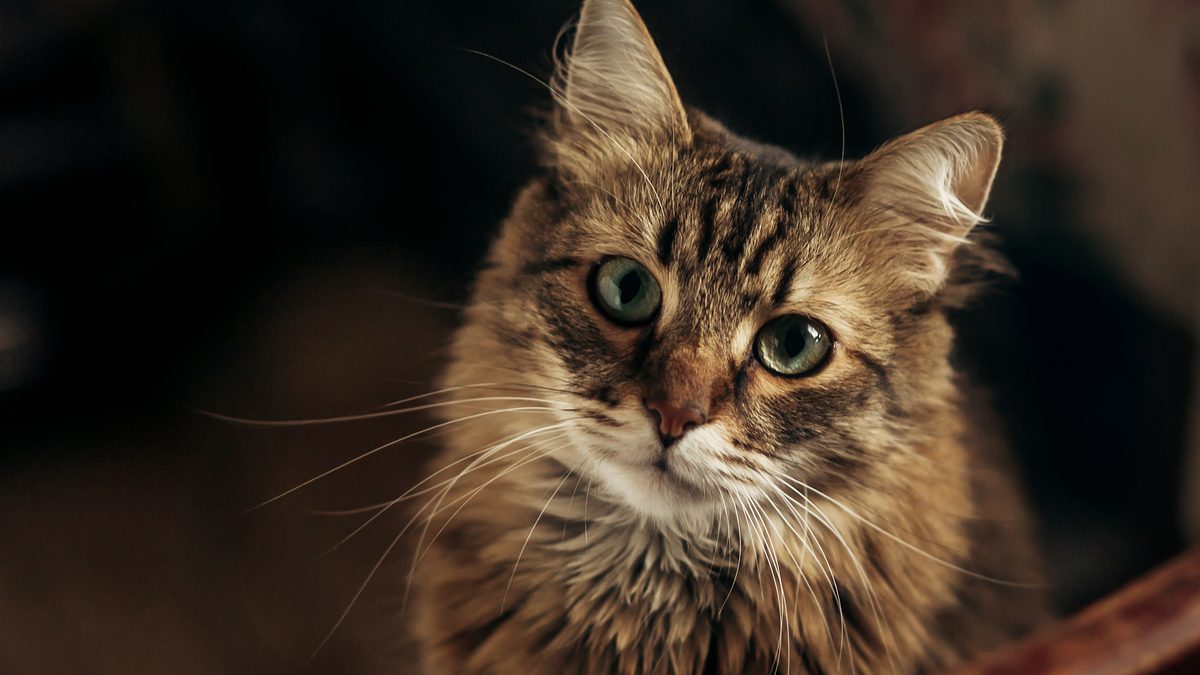
Tabby cat with a curious relaxed look — Larissa Nguyen, Pet Sitting Ho Chi Minh City

How do cats tell us how they feel?

Cats rarely rely on meowing alone. They communicate through posture, distance, eyes, scent, and routine. A cat who stays nearby, eats normally, or chooses to rest in the same room is often telling you they feel reasonably safe.

Scent matters too. Rubbing, scratching, and chin marking are normal ways cats leave information in their environment. Many cats also recognise their own names, even when they choose not to respond right away.

Learning to notice small signals helps, especially with shy cats. That is the kind of quiet observation I bring to each visit: respecting boundaries while paying attention to what your cat's behaviour may be saying.

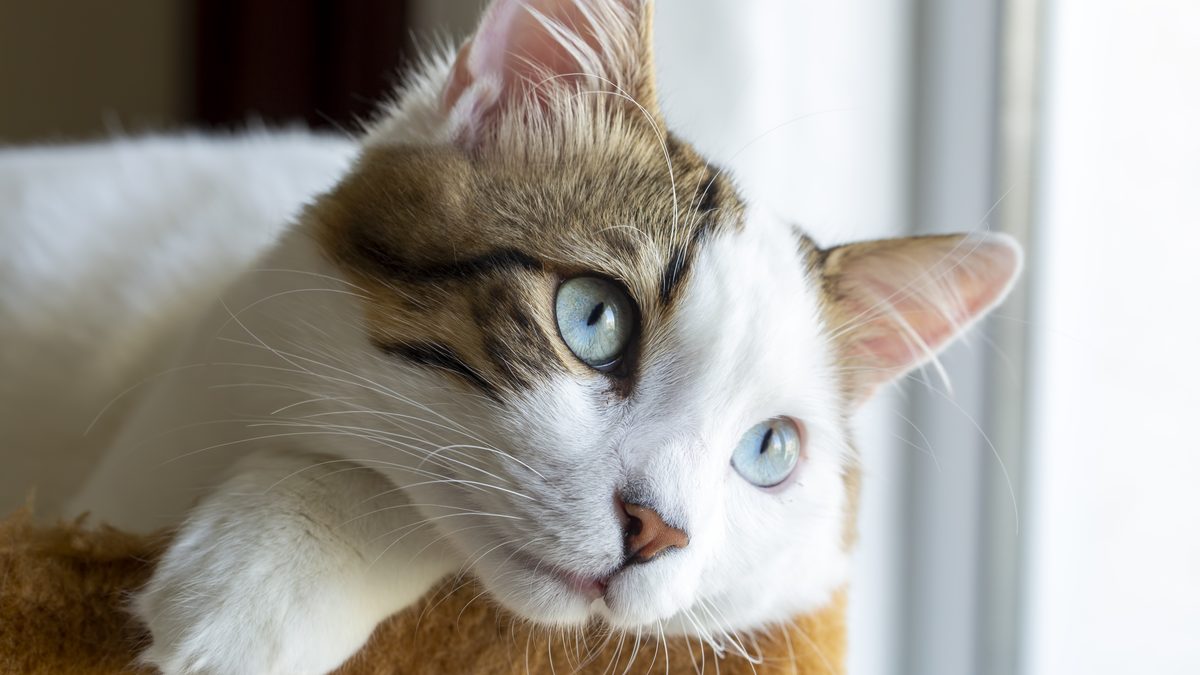
Close up of a cat with bright blue eyes — Larissa Nguyen, Pet Sitting Ho Chi Minh City
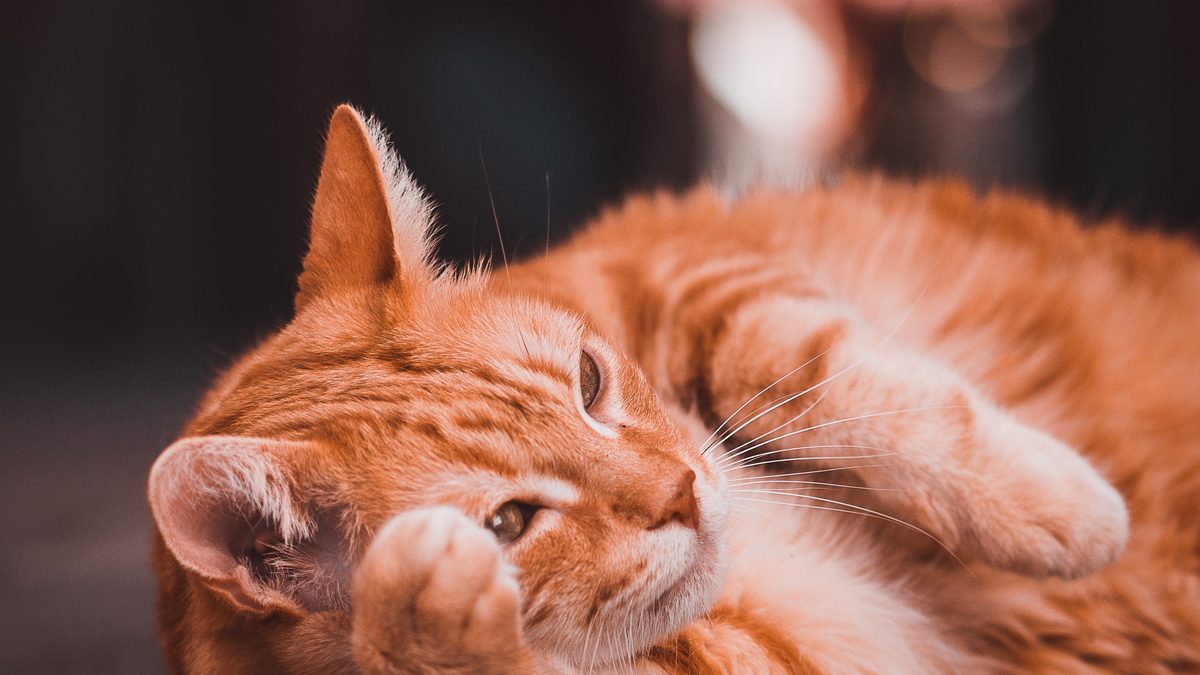
Orange cat lying on its side relaxing — Larissa Nguyen, Pet Sitting Ho Chi Minh City

Do indoor cats need more than food and a clean litter box?

Yes. Indoor life can protect cats from many outdoor risks, but safety alone is not enough. Cats also need places to retreat, opportunities to climb or hide, gentle play, and an environment that feels predictable rather than overwhelming.

Enrichment does not mean constant entertainment. It can be as simple as a sunny window spot, a stable scratching surface, a favourite toy, or a few minutes of calm play that mimics natural hunting behaviour.

When I visit indoor cats, I follow your routine and adapt to their personality. Some want play; others prefer quiet company nearby. The goal is to keep daily life interesting, controllable, and safe.

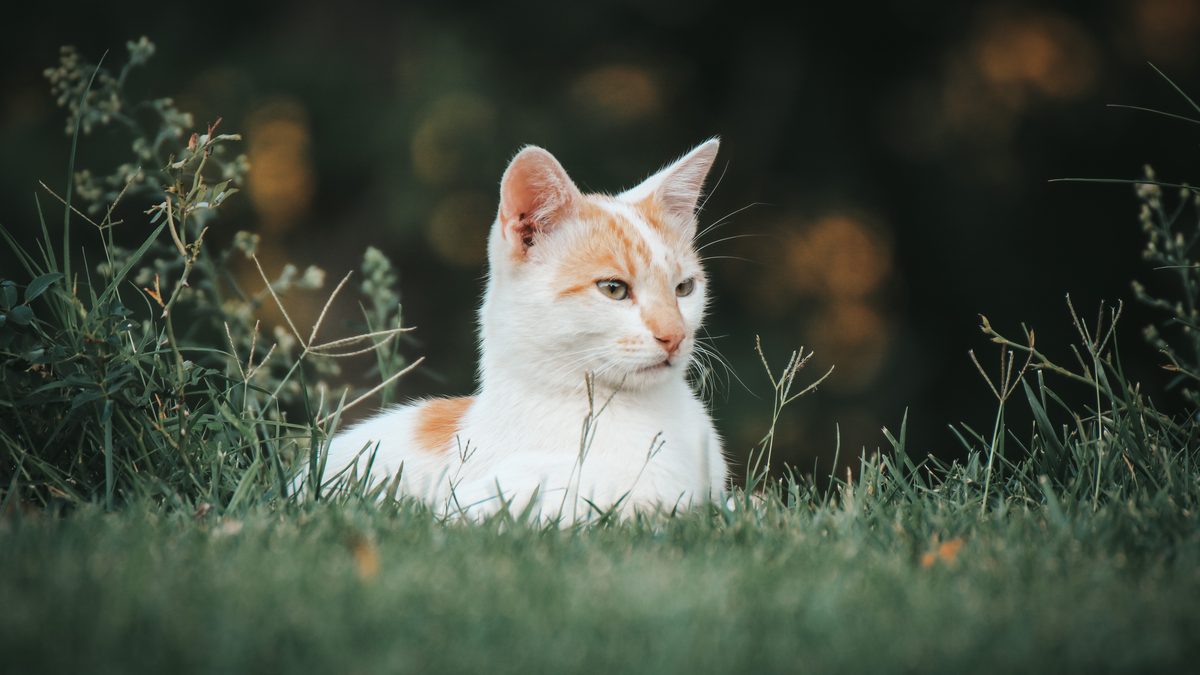
Elegant white cat resting in a grassy field — Larissa Nguyen, Pet Sitting Ho Chi Minh City

Why does my cat scratch — and what helps?

Scratching is normal cat behaviour. It helps cats stretch, maintain their claws, and leave scent marks. A cat scratching furniture is usually not being spiteful; they are doing something natural in the wrong place.

What helps is offering stable scratching surfaces in areas your cat already uses, and noticing whether stress or routine changes may also be involved. Punishment tends to damage trust rather than solve the problem.

Understanding this makes day-to-day care easier for everyone. I never treat scratching as bad behaviour — I look at what the cat may need and keep their environment calm and familiar while you are away.

Five cute kittens posing in a row — Larissa Nguyen, Pet Sitting Ho Chi Minh City

What should I notice in a senior cat?

Cats over 10 years old are generally considered seniors. Many slow down gradually, sleep more, or play less — and some of that is normal ageing. What matters is noticing new or sudden changes.

Gentle things to watch include appetite, jumping ability, litter box habits, grooming, mobility, vocalisation, and whether your cat withdraws more than usual. These are observations, not diagnoses.

I pay close attention to small shifts during visits and will let you know if something seems unusual. The aim is calm, respectful care that supports your cat's comfort without causing unnecessary worry.

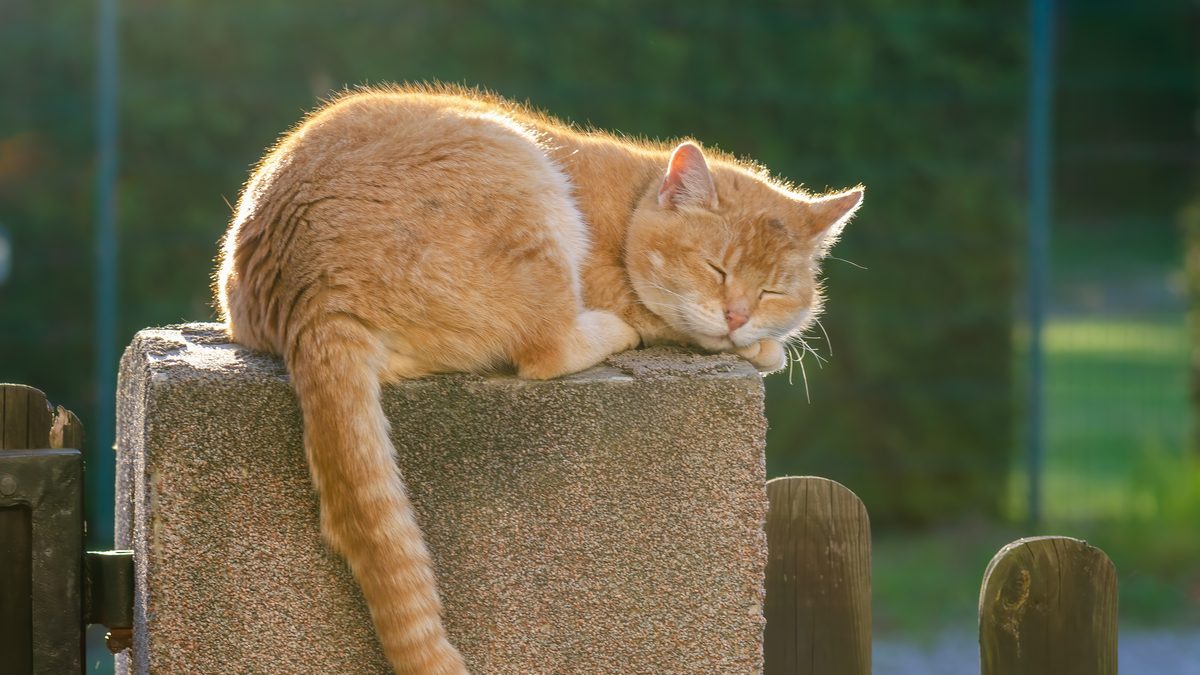
Ginger cat resting on a stone pillar — Larissa Nguyen, Pet Sitting Ho Chi Minh City

Why do some cats prefer quiet company to constant play?

Not every cat wants active play on every visit. Some feel safest with a calm presence nearby: familiar feeding times, a clean litter area, soft voices, and the option to watch from a distance.

That does not mean they are unhappy or uninterested in people. Many cats show affection subtly, on their own timeline.

When caring for your cat, I follow their pace. I encourage gentle engagement when they are ready, but I never force interaction. For many indoor cats, quiet companionship is exactly the support they need while you are away.

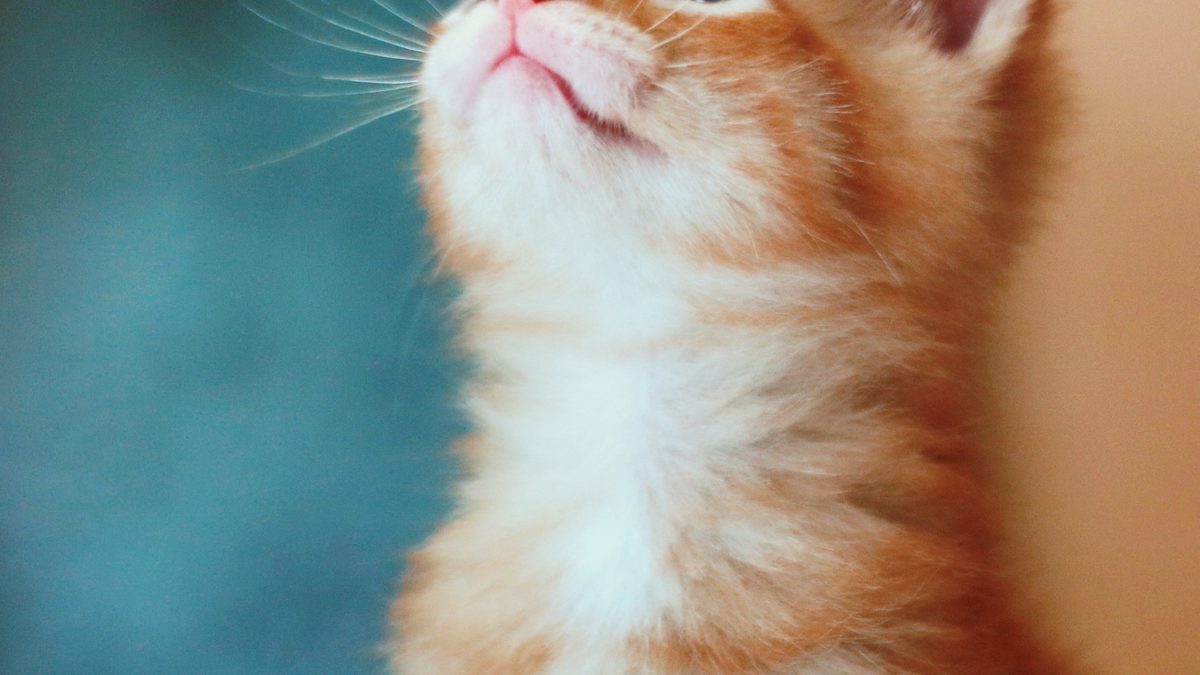
Ginger kitten looking upward with curiosity — Larissa Nguyen, Pet Sitting Ho Chi Minh City
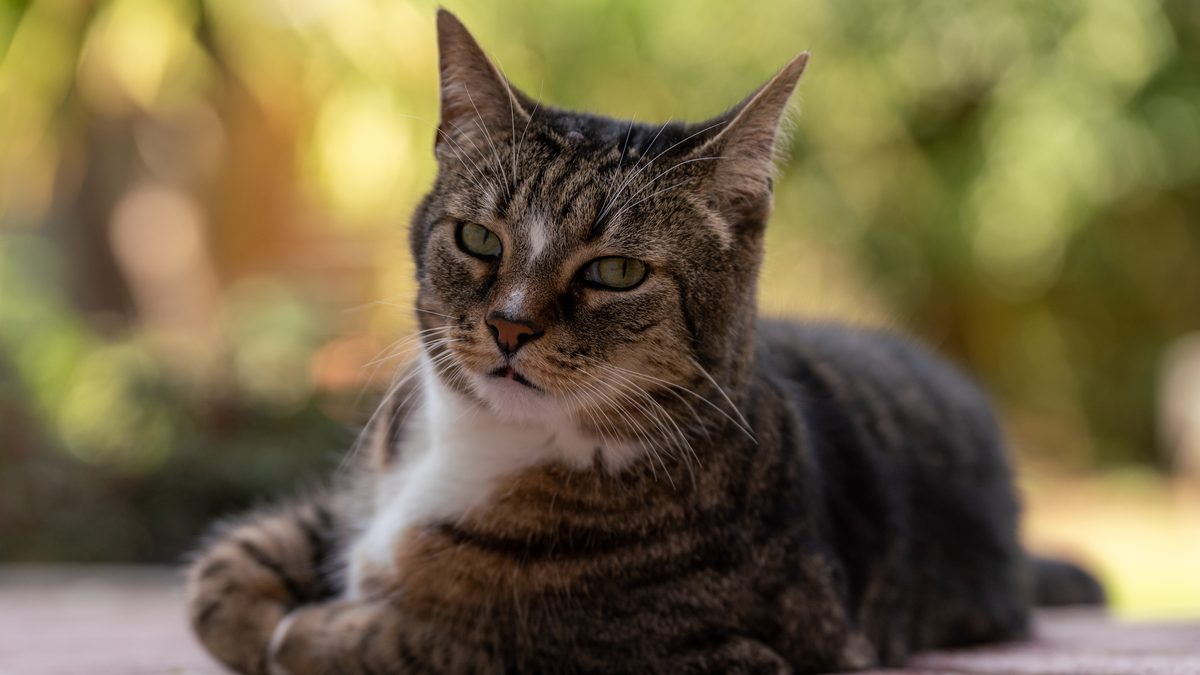
Tabby cat resting outdoors on a sunny day — Larissa Nguyen, Pet Sitting Ho Chi Minh City

Can a cat be independent and still miss their person?

Yes. Many cats appear self-sufficient, yet research and everyday experience show that cats can form meaningful bonds with their caregivers. Independence and attachment can coexist.

A cat may not greet you at the door like a dog, but they may still notice your absence through changes in routine, scent, and familiar presence. Some eat, sleep, or behave differently when their person is away.

That is one reason in-home care matters. Keeping your cat in their own environment, with steady routines and a calm visitor, often helps them feel more secure than a sudden change of place or pace.

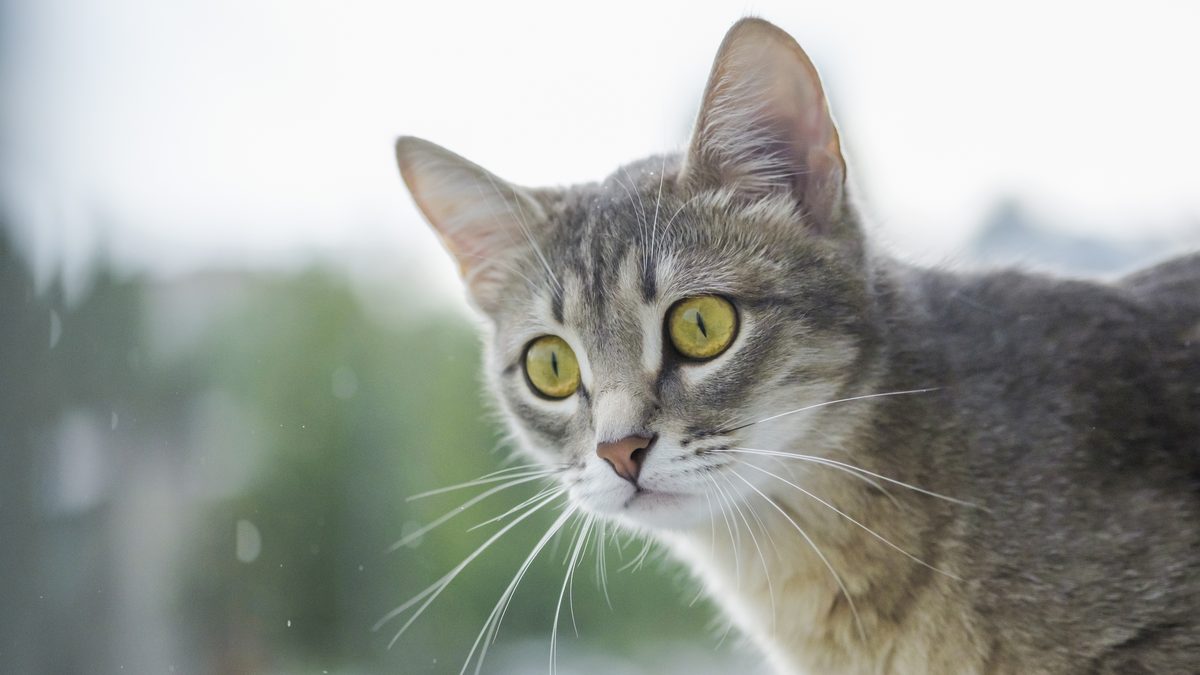
Grey tabby cat looking out a window — Larissa Nguyen, Pet Sitting Ho Chi Minh City

When is a behaviour change worth paying attention to?

Cat behaviour is rarely random. Changes in litter box use, appetite, hiding, vocalisation, scratching, or social withdrawal can sometimes reflect stress, discomfort, or an unmet need — not bad manners.

Before assuming your cat is acting out, it helps to ask whether something about routine, environment, resources, or health may have shifted. Even small changes at home can matter to a sensitive cat.

I am not a veterinarian, but I do notice patterns during daily visits. If something seems unusual, I will tell you promptly so you can decide whether a vet check is needed. Gentle observation is part of good care.

Group of cats relaxing on a blue blanket — Larissa Nguyen, Pet Sitting Ho Chi Minh City

Let Us See If This Feels Right

Choosing a pet sitter is a personal decision. It is important that it feels right for both you and your pet.

If you are a busy professional or frequent traveller seeking dependable care in Ho Chi Minh City, I invite you to get in touch. It is always worth scheduling a meeting to see if we feel like the right fit, with no obligation.

Your peace of mind and your pet's sense of safety always come first.

Chat with me on WhatsApp
Zalo QR code to contact Larissa Nguyen — Larissa Nguyen, Pet Sitting Ho Chi Minh City
Scan to add me on Zalo

Or reach me by

Email
thaohieunguyen.458@gmail.com
Phone / Zalo
+84 328 644 949
Facebook
Visit my Facebook page