Dog Sitting in Ho Chi Minh City

Why do dogs look to us for reassurance?

Many dogs do more than share a home with us — they build real emotional connection. Research shows that dogs can form attachment bonds with their caregivers and often look to people for comfort, routine, and guidance.

That is why sudden changes in schedule or an unfamiliar environment can feel unsettling. Familiar faces, predictable visits, and calm energy can make a meaningful difference.

When I care for dogs while their owners are away, I focus on steady companionship rather than overwhelming excitement. The goal is to help your dog feel supported, not alone.
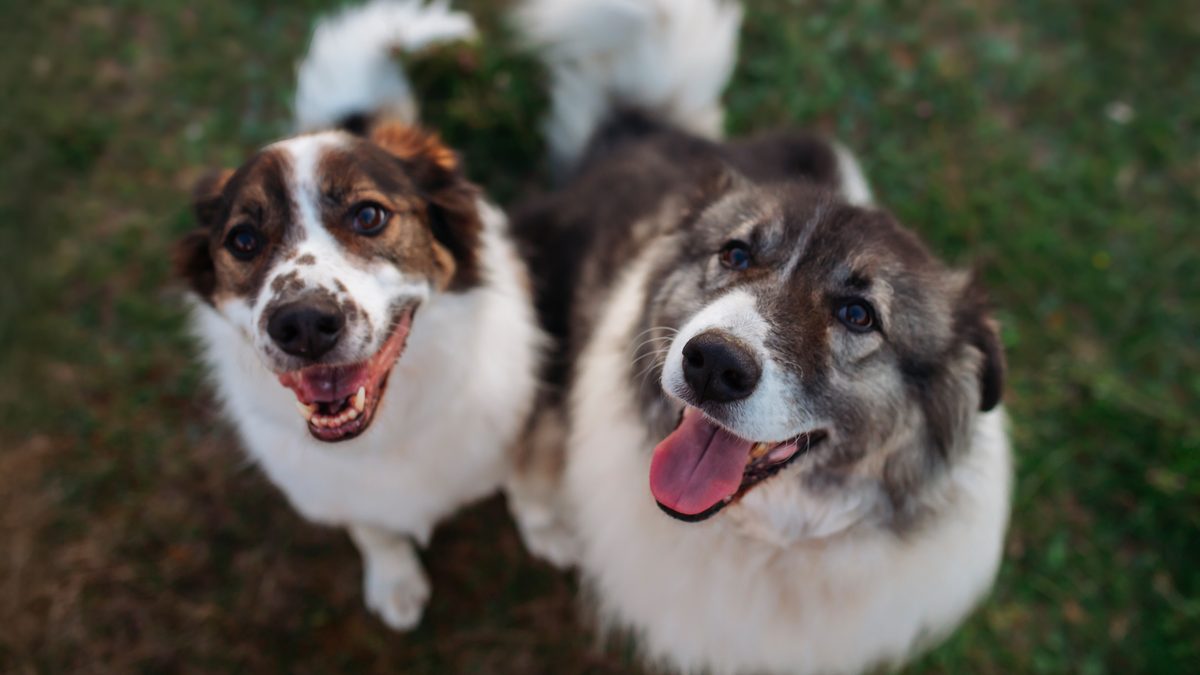
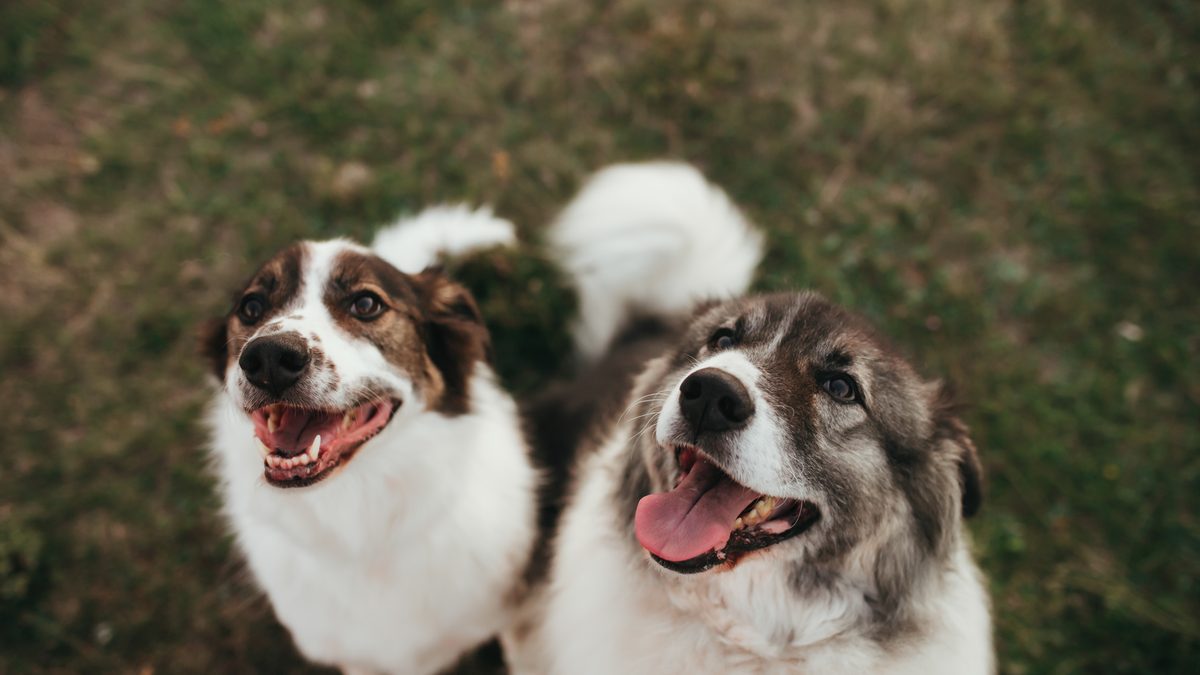
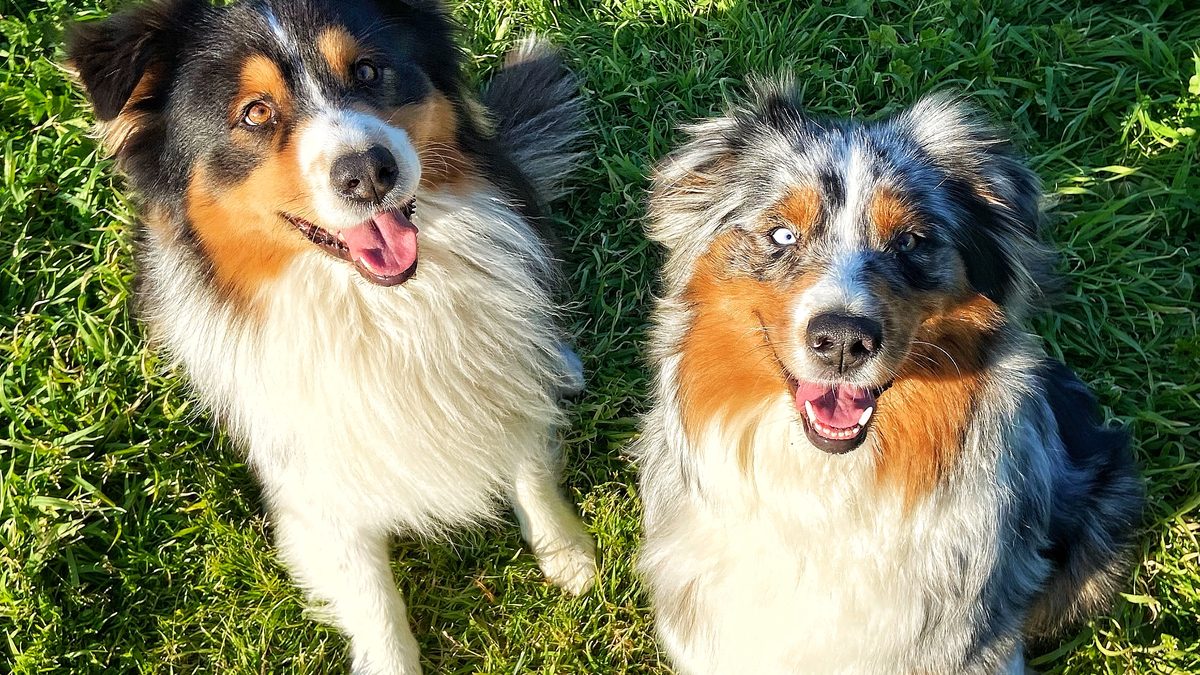
Happy dogs portrait outdoor top view — Larissa Nguyen, Pet Sitting Ho Chi Minh City

How do dogs read our mood and body language?

Dogs are unusually skilled at noticing human cues. They often watch our faces, follow gestures such as pointing, and respond to tone of voice and posture long before we realise they are paying attention.

This is one reason calm handling matters. A relaxed voice, predictable movements, and consistent routines can help a dog feel safer, especially when their favourite person is not home.

I pay attention to how a dog responds to my presence and adjust accordingly. Good care is not only about walks and feeding — it is also about helping your dog read the moment as safe.

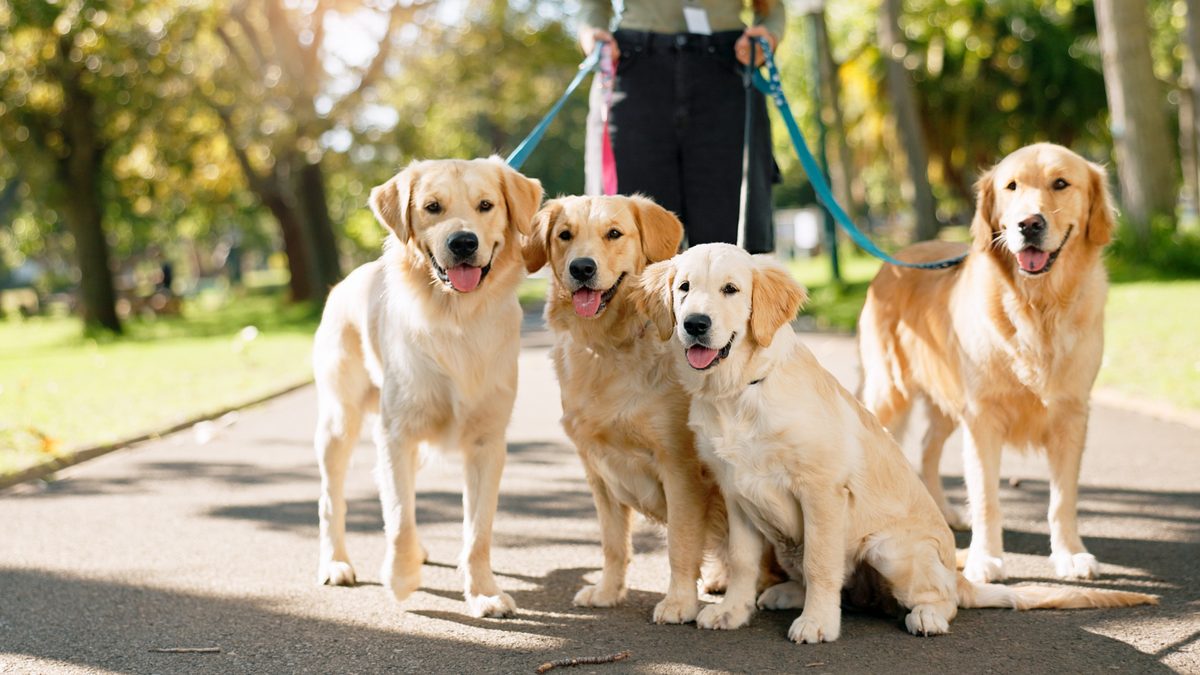
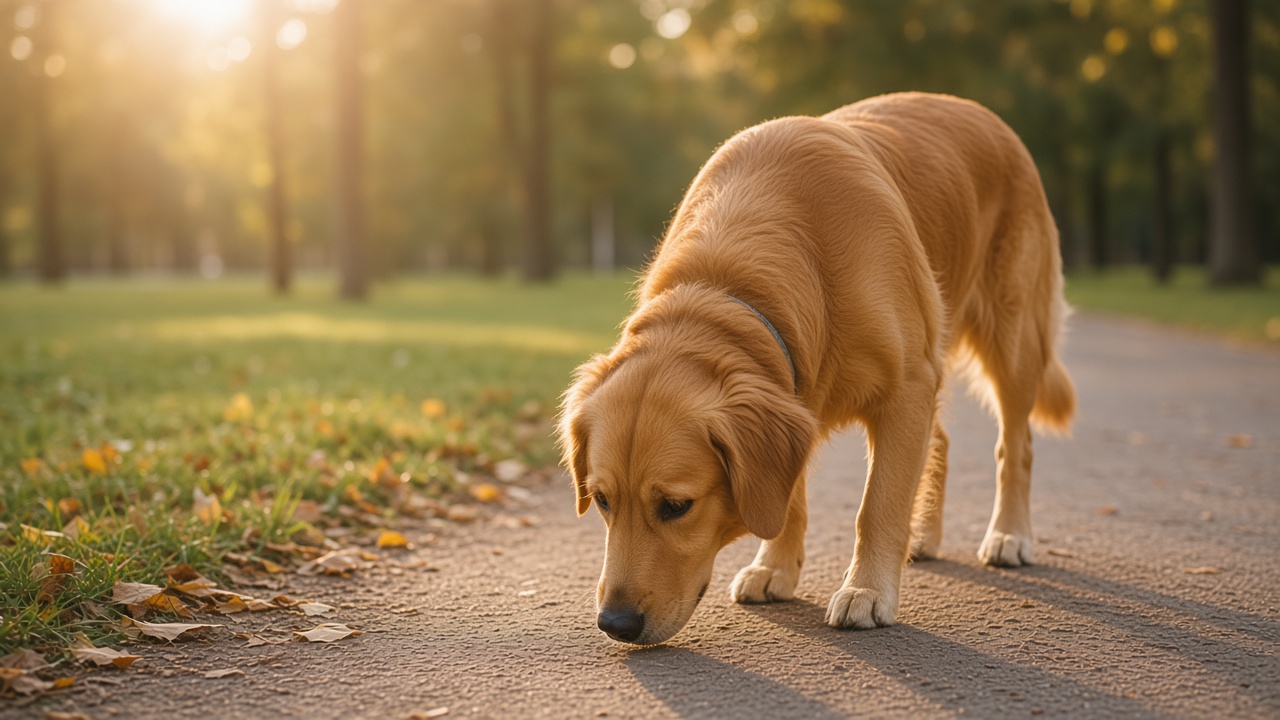
Golden dog sniffing a park path — Larissa Nguyen, Pet Sitting Ho Chi Minh City

Does a wagging tail always mean a happy dog?

No. Tail wagging is a form of communication, not a single emotion. Tail height, speed, stiffness, and the rest of the body all matter. A wagging tail can appear with excitement, uncertainty, friendliness, or tension.

That is why it helps to read the whole dog, not just one signal. Lip licking, yawning, crouching, turning away, or a tense body can also be important clues in context.

Understanding this makes walks and visits safer and less stressful for everyone. I watch the full picture so I can respond gently and keep your dog comfortable.

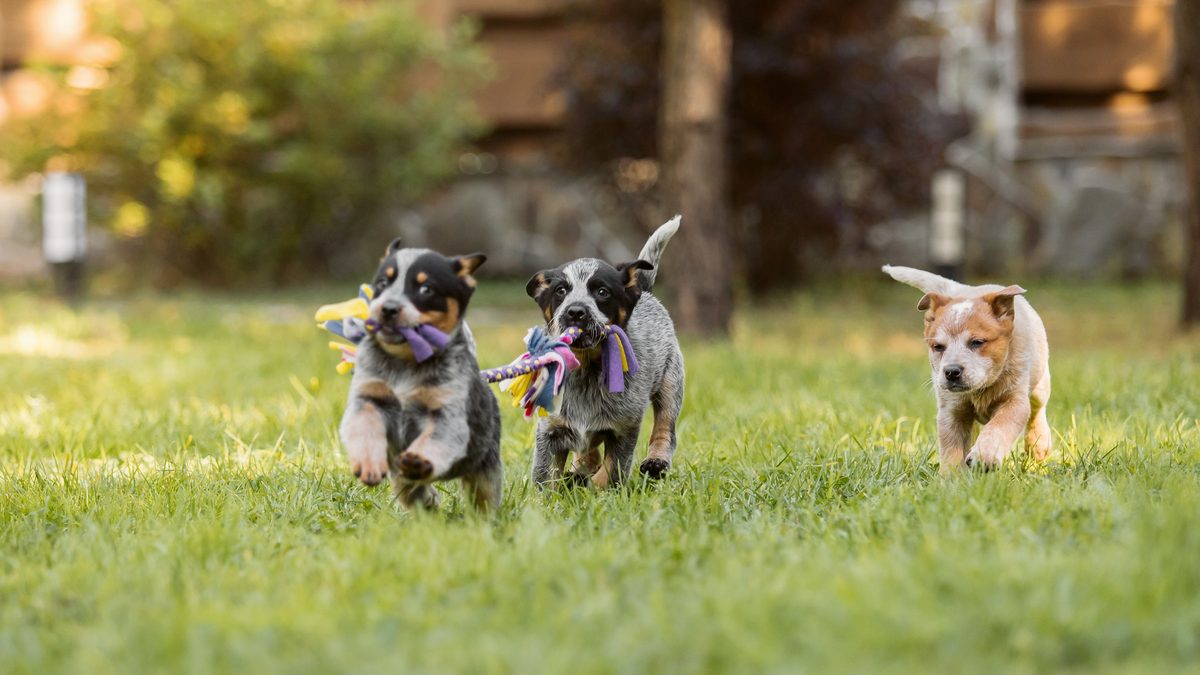
Playful puppies running with a rope toy outdoors — Larissa Nguyen, Pet Sitting Ho Chi Minh City

Why does my dog sniff so much on walks?

For dogs, sniffing is not wasted time — it is meaningful work. Scent is one of their primary ways of understanding the world. A walk that allows some sniffing can be mentally satisfying as well as physical exercise.

Rushing every walk at one pace can leave some dogs frustrated or overstimulated in a different way. Balance matters: movement, exploration, and moments to process scent.

When I walk dogs in Ho Chi Minh City, I keep safety first — leash on, awareness of traffic and heat — while still allowing room for natural sniffing when it is appropriate.

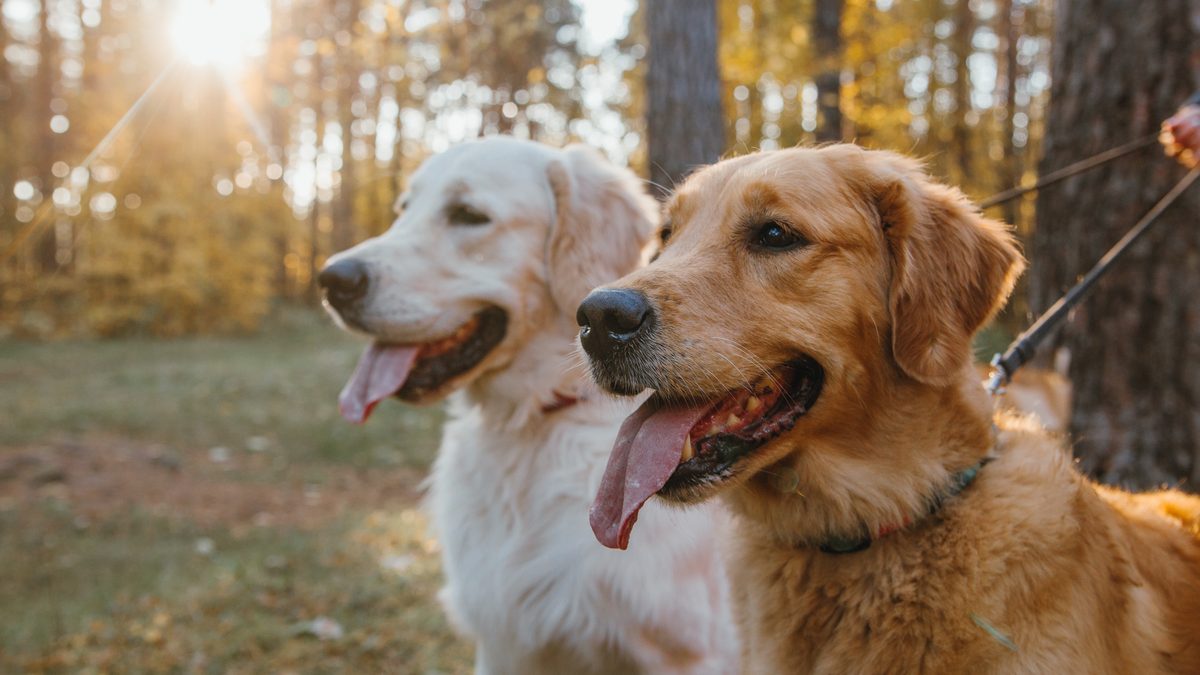
Two golden retrievers on an autumn walk — Larissa Nguyen, Pet Sitting Ho Chi Minh City
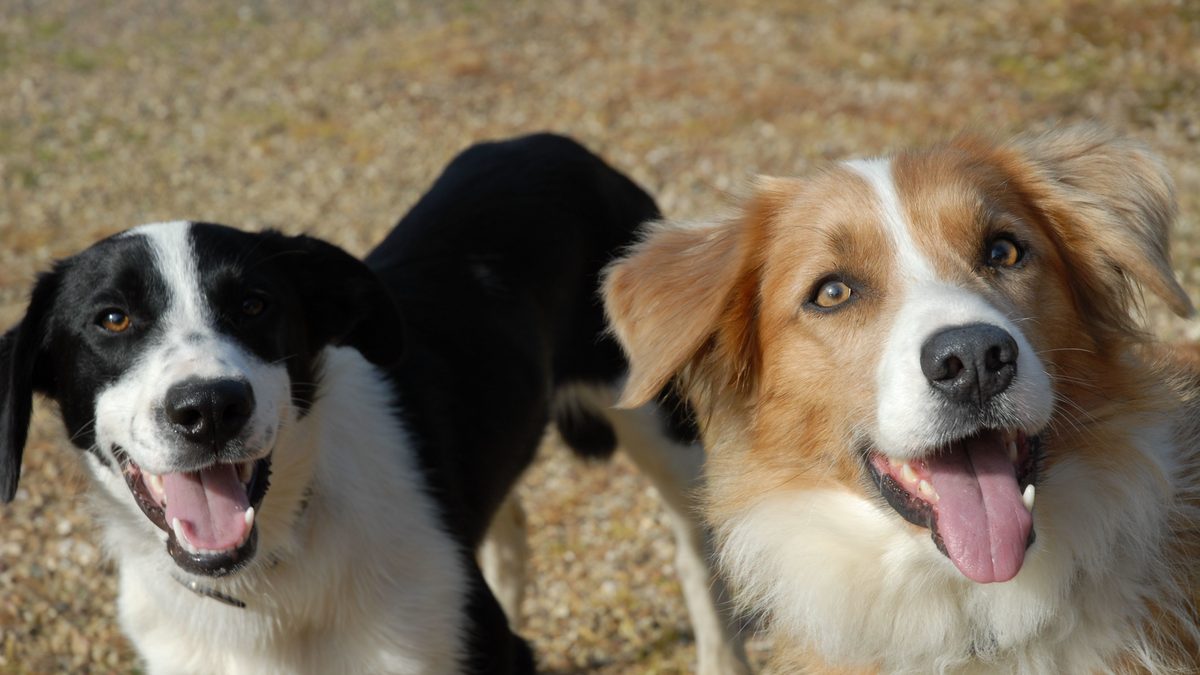
Happy dogs portrait outdoors — Larissa Nguyen, Pet Sitting Ho Chi Minh City

How can I tell if my dog is stressed?

Stress in dogs is not always loud or obvious. Signs can include pacing, lip licking, yawning out of context, lowered posture, avoidance, excessive panting, or changes in appetite and sleep.

Context matters. A yawn before rest is different from a yawn during a tense moment. The same signal can mean different things depending on the situation.

If your dog is anxious when you leave, predictable companionship often helps. I do not rush interaction; I aim to be a calm, familiar presence and keep you updated if anything seems out of the ordinary.

Two energetic dogs panting outside in a rural setting — Larissa Nguyen, Pet Sitting Ho Chi Minh City

Why does routine matter when I am away?

Dogs often feel safest when daily life feels predictable: familiar feeding times, regular walks, the same routes when possible, and a calm person who respects their pace.

Sudden changes can increase stress, especially for dogs who are closely bonded with their owners. Keeping routines as close to normal as practical helps preserve that sense of stability.

Before sitting begins, I always meet you and your dog to learn their habits. During visits, I follow your instructions carefully so your dog's day stays as steady and reassuring as possible.

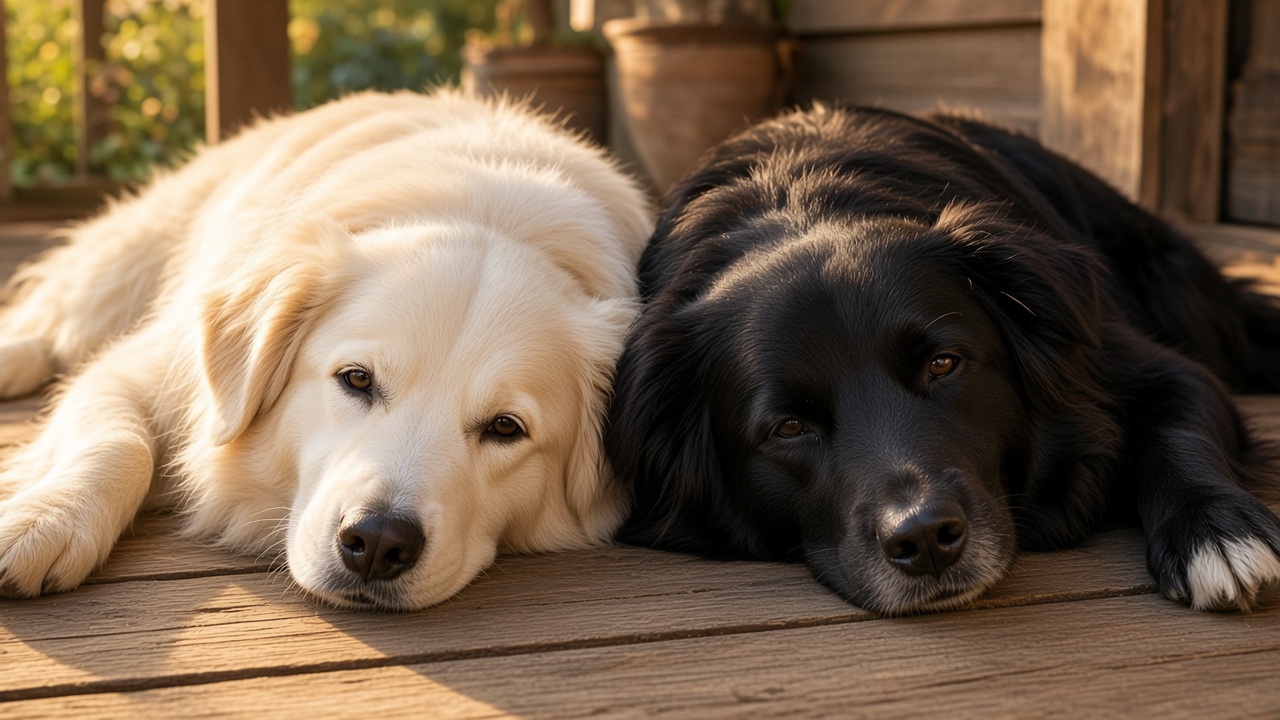
Two dogs resting together on a wooden porch — Larissa Nguyen, Pet Sitting Ho Chi Minh City

Is mental stimulation as important as exercise?

For many dogs, yes. Physical exercise matters, but mental work can be equally tiring in a good way. Sniffing, puzzle toys, short training games, and calm problem-solving activities can help a dog relax afterward.

This is especially useful on hot, stormy, or busy days when a long outdoor walk is not ideal. A dog can still have a satisfying day without being pushed beyond their comfort or safety.

I adapt each visit to your dog's energy, age, and weather conditions. The aim is balance: movement when it is safe, enrichment when it is needed, and rest when it is time to settle.

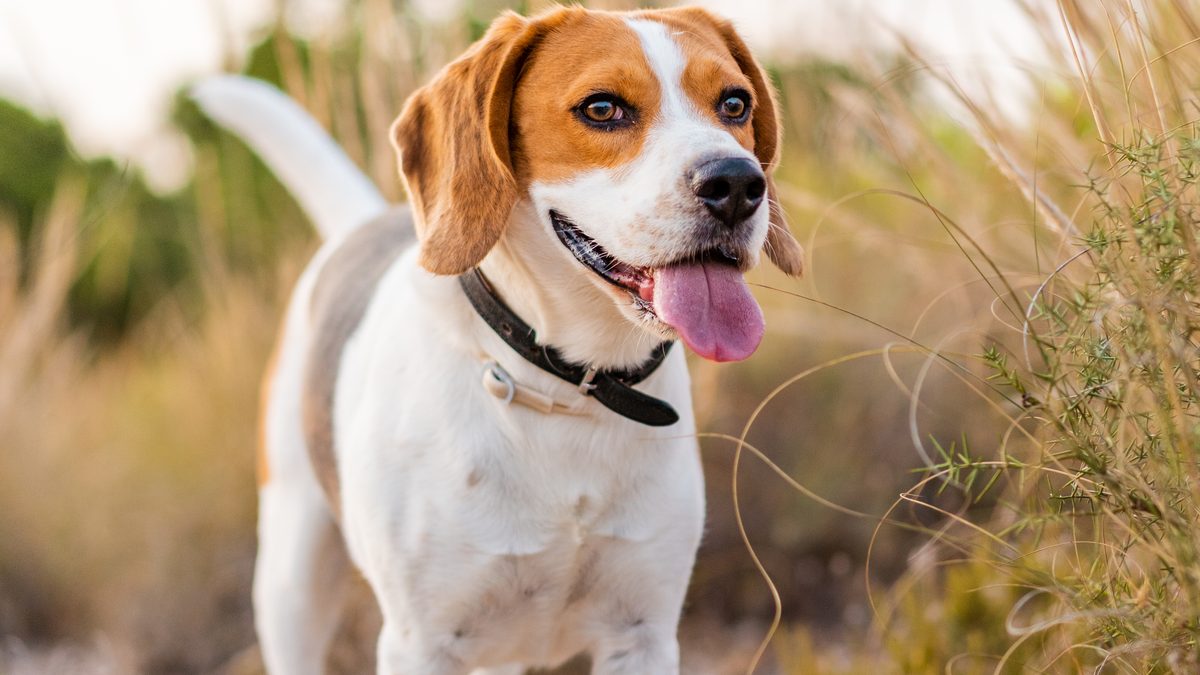
Cute beagle dog standing outdoors — Larissa Nguyen, Pet Sitting Ho Chi Minh City

Does my dog's breed tell me everything about them?

Breed can shape tendencies, but it does not define the whole dog. Large-scale research suggests that breed explains only part of an individual dog's behaviour. Personality, history, training, health, and daily environment all matter.

This is one reason I focus on the dog in front of me, not the stereotype attached to a breed name. A gentle approach, clear routine, and reward-based interaction suit most dogs far better than assumptions.

Whether your dog is energetic, cautious, playful, or senior, care should adapt to them — not to a label.

Woman walking dogs in a park — Larissa Nguyen, Pet Sitting Ho Chi Minh City
Two happy dogs lying in lush green grass — Larissa Nguyen, Pet Sitting Ho Chi Minh City

What should I watch for in an older dog?

Older dogs may slow down, sleep more, or become less enthusiastic about long walks — and some of that is normal. What matters is noticing gradual changes that affect daily life.

Gentle signs to watch include confusion in familiar places, changes in interaction with people or other pets, shifts in sleep patterns, reduced mobility, and house soiling in a previously reliable dog. These are reasons to speak with your vet, not labels to fear.

Senior dogs can still enjoy learning, gentle activity, and companionship. I adjust visits to their pace and keep you informed if I notice anything that seems new or unusual.

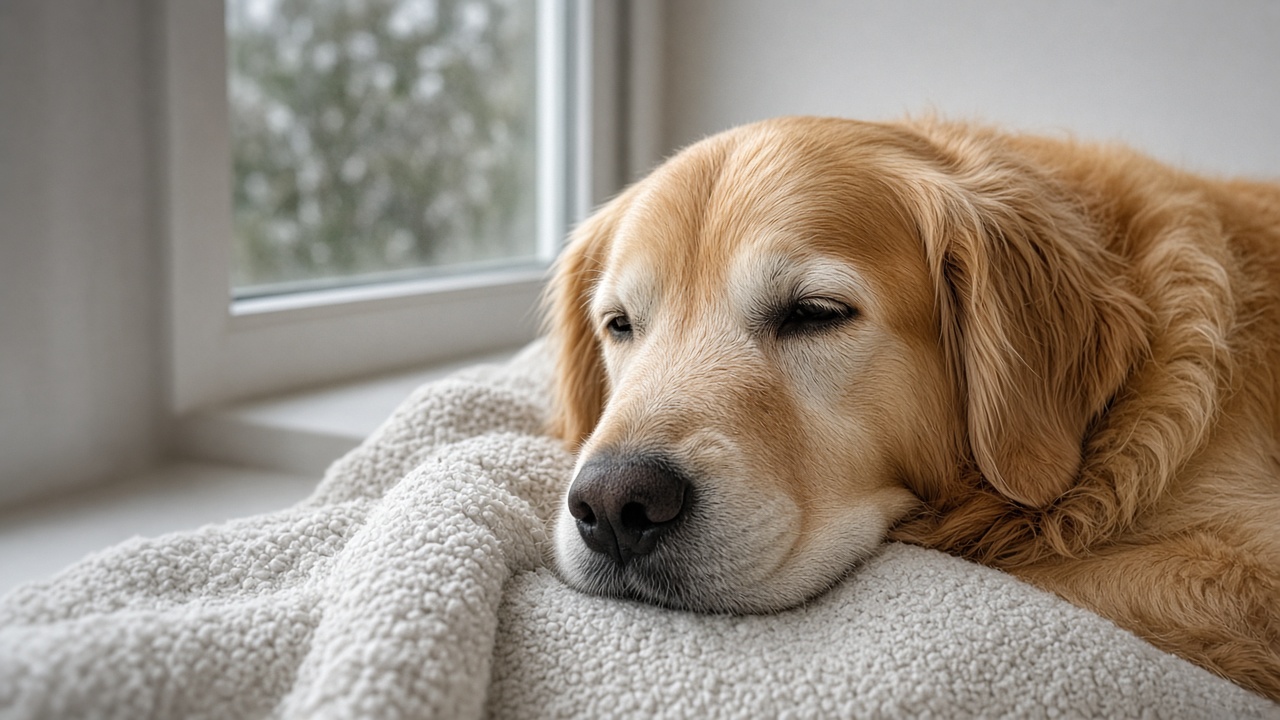
Older dog with a grey muzzle resting by a window — Larissa Nguyen, Pet Sitting Ho Chi Minh City

How do weather and safety affect walk plans?

In Ho Chi Minh City, heat, rain, and busy streets all matter. Walks are important, but your dog's safety and comfort come first. On very hot days, shorter walks in cooler hours, shaded routes, and fresh water matter more than distance.

When weather is unsafe, I adjust the plan. That may mean a brief outdoor break plus indoor play, mental enrichment, or calm companionship instead of a long walk in harsh conditions.

If your dog has specific weather needs, I follow your instructions and keep you updated. Reliable care means adapting thoughtfully, not pushing through regardless of conditions.

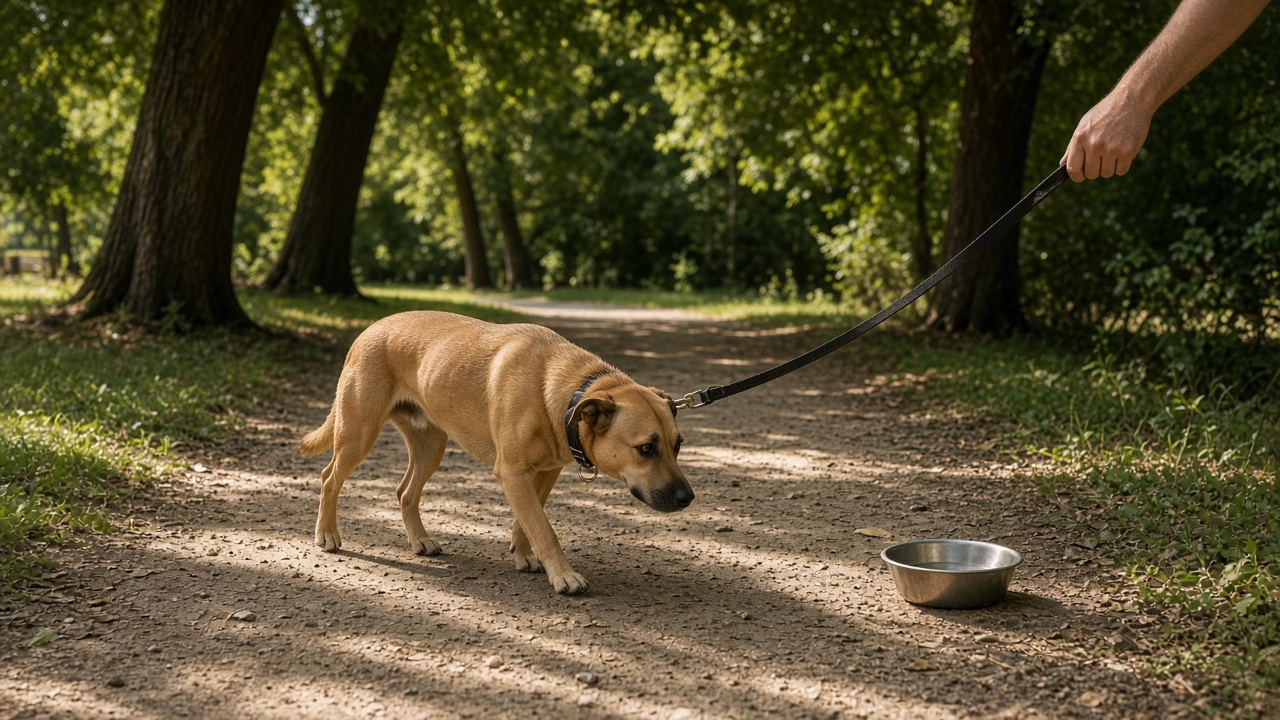
Dog on a leash walking a shaded path beside a water bowl — Larissa Nguyen, Pet Sitting Ho Chi Minh City

Let Us See If This Feels Right

Choosing a pet sitter is a personal decision. It is important that it feels right for both you and your pet.

If you are a busy professional or frequent traveller seeking dependable care in Ho Chi Minh City, I invite you to get in touch. It is always worth scheduling a meeting to see if we feel like the right fit, with no obligation.

Your peace of mind and your pet's sense of safety always come first.

Chat with me on WhatsApp
Zalo QR code to contact Larissa Nguyen — Larissa Nguyen, Pet Sitting Ho Chi Minh City
Scan to add me on Zalo

Or reach me by

Email
thaohieunguyen.458@gmail.com
Phone / Zalo
+84 328 644 949
Facebook
Visit my Facebook page